While fireworks paint the night sky with brilliant colors and thunderous sounds that delight human spectators, they create a terrifying nightmare for wildlife across the globe. Recent research reveals that these celebratory displays have far-reaching and long-lasting consequences for animals, from birds fleeing en masse to abandoned nests and mass casualties.
On New Year's Eve, approximately 1,000 times as many birds take flight compared to typical nights, according to weather radar studies conducted in the Netherlands. The synchronized nature of widespread fireworks displays triggers panic across entire bird populations simultaneously, creating unprecedented disturbance events.
Birds disturbed by fireworks increase their foraging time for more than 10 days afterward to compensate for energy loss and fatigue from their panic-induced flights.
This stress temporarily reduces their immunocompetence, making them more vulnerable to disease and infection. Over time, repeated disturbances during critical life stages can affect survival rates and population health.
Wildlife doesn't need to be near fireworks to suffer their effects. Disturbance from fireworks decreases with distance but flight activity remains elevated tenfold at distances up to approximately 10 kilometers from the source. This means that even animals far from celebration sites experience significant stress and disruption.
The research shows that larger bird species display stronger flight responses than smaller species, and the effects vary depending on habitat type. Communities of waterfowl near lakes and nesting birds in spring and summer are particularly vulnerable to fireworks disturbance.
Physical Dangers and Toxic Threats
Beyond the immediate terror, fireworks pose multiple physical threats to wildlife. Animals fleeing in panic may run into roadways, leading to increased vehicle collisions. Wildlife rehabilitation centers report being flooded with traumatized, injured, and orphaned animals following major fireworks holidays.
Casings and heavy metals littered by fireworks are often mistakenly consumed by wildlife or fed to their young. These materials can be indigestible choking hazards or toxic substances that poison animals. Additionally, fireworks release harmful pollutants including fine particulate matter, heavy metals, and toxic gases that contaminate soil, water, and air.
The pollution extends well beyond the celebration night. Suspended particles can remain in the air for weeks, posing ongoing respiratory and cardiovascular health risks to both humans and animals.
Moving Toward Wildlife-Friendly Celebrations
Growing awareness of these impacts has prompted some communities to seek alternatives. Researchers and wildlife organizations recommend several approaches to reduce harm:
- Establishing large fireworks-free zones around protected wildlife habitats.
- Centralizing displays within urban centers away from natural areas.
- Replacing traditional fireworks with safer alternatives like drone light shows, laser displays, or eco-friendly low-noise fireworks.
- Scheduling displays to avoid critical nesting and breeding seasons.
- Limiting the time fireworks can be used.
A Call for Compassion
While fireworks remain globally popular, the overwhelming evidence of their negative impacts on wildlife, domestic animals, and the environment calls for a fundamental rethinking of how we celebrate.
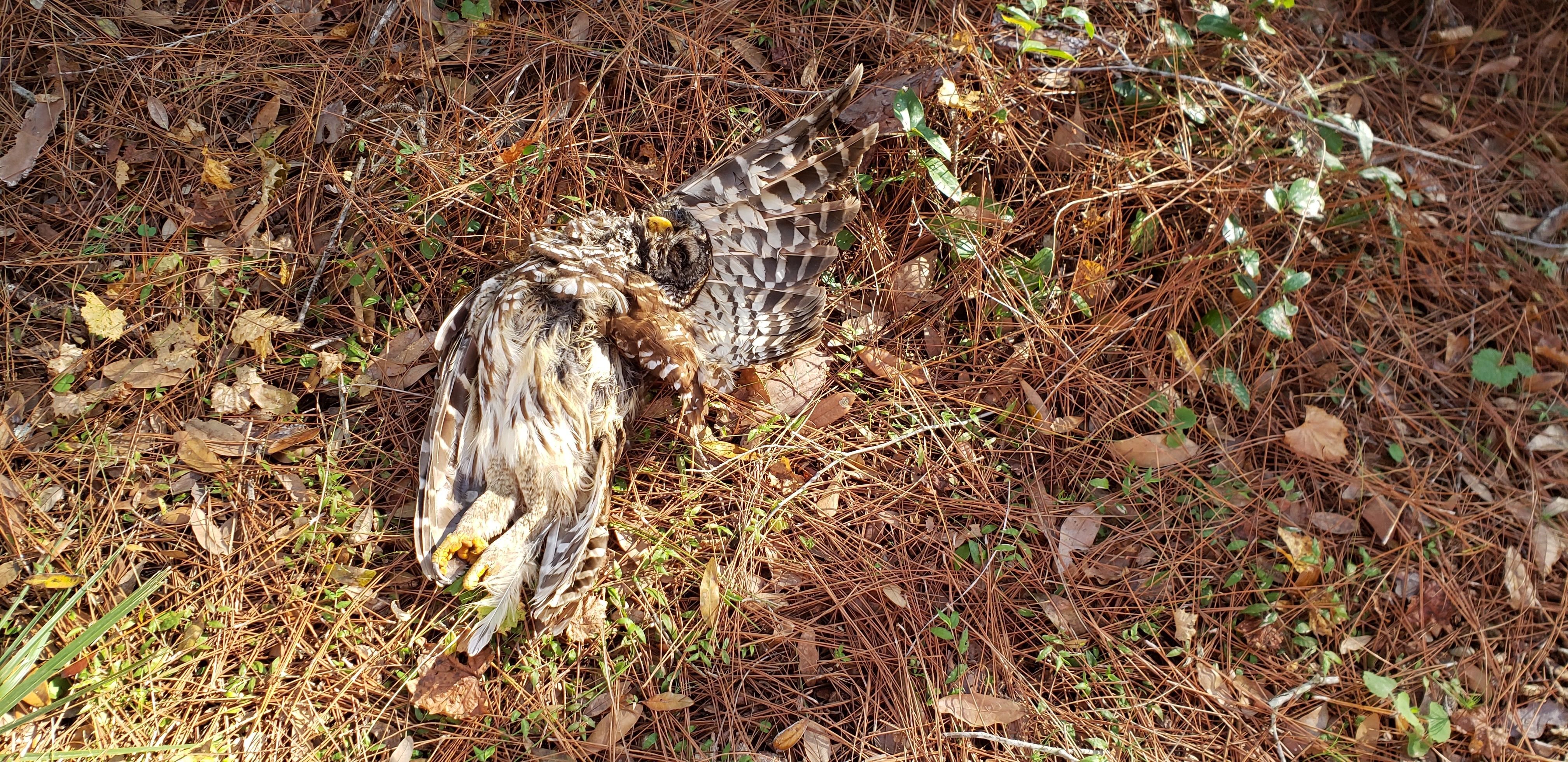
Photo: Taken after previous holiday celebration at the Trout Lake Nature Center of a Barred owl with a broken neck.